Cuseum + CollectionSpace Integration: Bridging Open-Source Collections Architecture with Mobile Engagement Pathways
Cultivating public engagement inside academic galleries, natural history herbaria, regional historical entities, and tribal archives requires complete control over object provenance and catalog registries. The web-based, open-source CollectionSpace platform addresses this institutional need by supplying an extensible, multi-collection management infrastructure designed to coordinate day-to-day curation workflows. From handling specialized native heritage compliance records and tracking incoming loan parameters to managing strict authority controls across distinct collecting profiles like archaeology, botany, and fine art, the platform operates as a resilient, community-driven database of record. Yet, an institutional registry performs best when it extends beyond internal staff terminals and connects directly with your public audience.
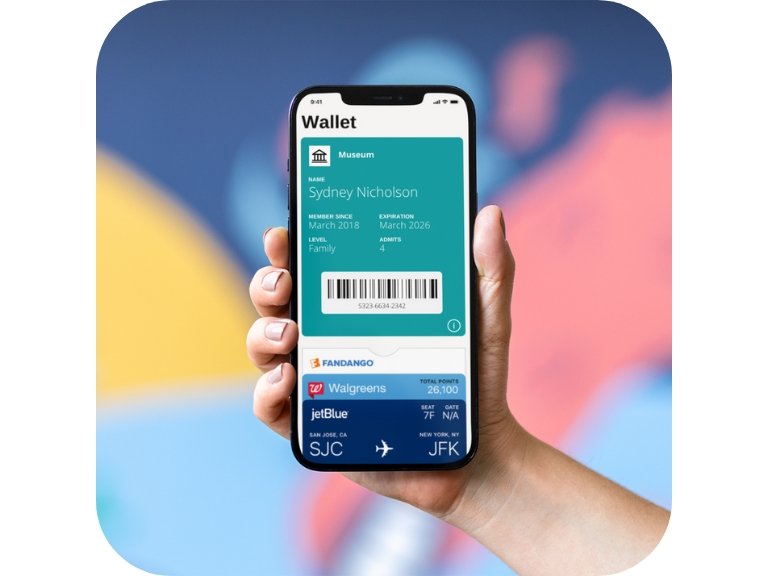
Cuseum serves as the mobile presentation and digital identity layer engineered to integrate with your open-source software ecosystem. By communicating with the REST API services layer of your database setup, Cuseum extracts authenticated data payloads directly from your master software endpoints. This real-time synchronization translates your core database attributes into interactive smartphone gallery companions, multimedia tour guides, and automated digital wallet passes that reside securely inside Apple Wallet and Google Wallet. Bridging backend cataloging modules with user-facing mobile interfaces updates your institution's Collections (CMS) & DAM stack while maintaining structural data compliance across your entire property.
Real-World Execution: Connecting Extensible CMS & DAM Repositories
Unifying a smartphone-native delivery network with your core collection software optimizes your venue's capabilities across both internal cataloging and public-facing operations:
1. Unified Media Processing (The DAM Interface)
Handling multimedia attachments across diverse collecting disciplines requires a file management system that scales without data loss. The built-in Media Service layer within the application supports over 100 distinct file formats, using open-source image processing tools to link high-resolution images, video documentation, and audio descriptions to individual artifact files. Cuseum integrates with this shared database setup. Instead of forcing your IT staff to handle manual file mapping across separate platforms, Cuseum retrieves authorized digital assets and copyright-cleared files from your media streams to display clean, low-latency imagery inside user-facing mobile applications.
2. Discipline-Specific Schema Extraction (The CMS Core)
A distinct advantage of the underlying open-source architecture is its fully configurable data model, which utilizes extensible XML schema files to adapt field sets for varying communities of practice. Cuseum maps to these unique fields. Whether your team modifies a taxonomic entry inside a botanical profile, updates exhibition manifests, or records research adjustments for an ethnographic object, those updated attributes carry over to the visitor's mobile app automatically, keeping in-gallery interpretations accurate.
3. Streamlined Data Logistics via XML and REST API Services
Because the software architecture is built from the ground up on services-oriented information design, every object record, location change, and intake entry is accessible via secure endpoints. Cuseum's integration uses these REST APIs to query active catalogs during operating hours. This automated data handoff means education departments can deploy live updates, update tour itineraries, or launch community-focused digital galleries without manual duplicate data entries.
Advanced Strategic Returns: Mobile-First Outreach and Efficiency
Dynamic In-Gallery Context Delivery: Traditional printed wall labels face physical space limitations and create ongoing printing overhead. By mapping deep catalog fields onto Cuseum’s mobile guide framework, your education team can display unlimited historical context, rich alt-text descriptions, multi-lingual audio components, and relevant creator biographies without altering your exhibition design.
Location-Triggered Proximity Communications: Traditional print materials offer no real-time way to react to a visitor's physical path through your facility. Cuseum opens an alternative, context-driven notification channel by utilizing location-aware beacon technology and mobile triggers. By coordinating gallery map configurations with active site tracking data, your mobile apps can automatically highlight hidden stories, archival files, or conservation notes the moment a visitor steps in front of a specific installation.
Bespoke Patron Back-of-Card Identity Portals: Connect your collections data directly to donor cultivation strategies. Cuseum converts the reverse text panel of every digital wallet membership card into a dynamic notice board. Your advancement team can update these text fields on demand, using specific constituent codes to display personalized event invitations, direct links to current CollectionSpace web catalog portfolios, or targeted fundraising campaign forms.
Infrastructure Stability and Cloud Security Protocols
Enterprise AWS Cloud Resilience: For institutions deploying their software via LYRASIS-managed cloud environments, backend infrastructure is backed by enterprise Amazon Web Services (AWS) centers to guarantee high platform availability and automated server protection.
Role-Based Privilege Encryption: Data transfers utilize encrypted SSL/TLS 1.2+ pipelines, ensuring full compliance with international data privacy regulations like GDPR, CCPA, and strict institutional role-based access controls.
Our Core Data Privacy Directives: We treat data privacy as a fundamental indicator of platform success. Cuseum operates under a strict corporate mandate: we never sell, lease, or share your institutional or constituent data profiles.
🚀 A Richer Ecosystem of Add-Ons
Mobile Engagement Platform: A dedicated suite of tools to guide the visitor experience on-site.
Digital Storytelling Tools: Bring your exhibits, events, and attractions to life with AR solutions that go far beyond standard digital passes.
SMS & Text Messaging Software: Communicate directly and urgently with your members, bypassing the noise of crowded email inboxes.
Advanced Loyalty & Rewards: Native solutions designed specifically for cultural patron and alumni behavior.

Large and small organizations trust Cuseum
“[Digital membership cards] are easy and modern for museums like ours that are moving into a digital focus over traditional paper methods.”
- Brad Ingles, Membership and Community Partnerships Manager at Museum of Contemporary Art Denver
Ready to Transform Your Museum Membership Program?
FAQS
-
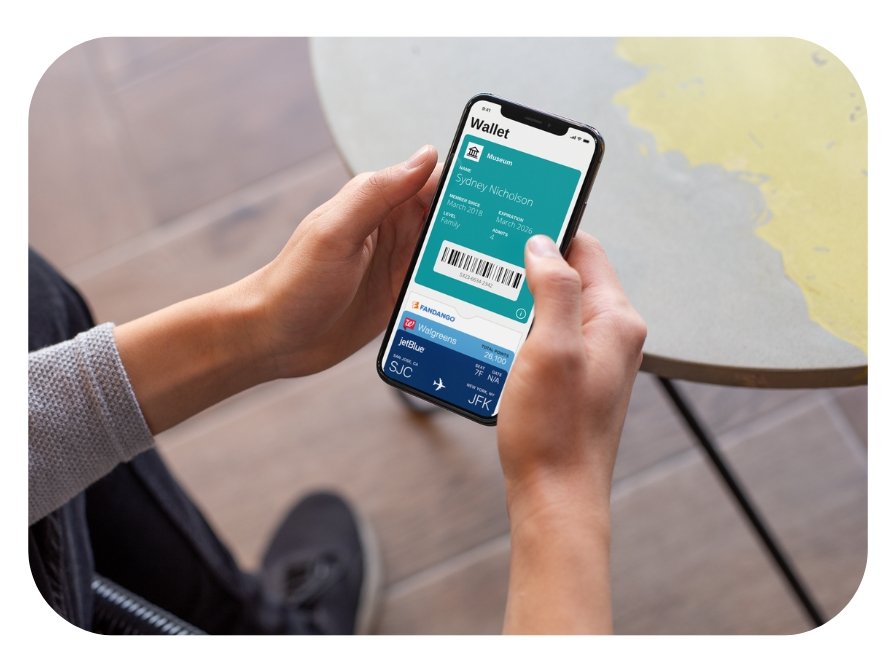
Digital membership cards are electronic versions of traditional membership cards. Once a member signs up or renews, they receive a personalized digital card directly on their smartphone via email or SMS. These cards can be stored in their phone’s wallet app (Apple Wallet or Google Wallet) for easy access and always remain up to date.
-
Digital membership cards are delivered instantly through multiple distribution channels:
• Email: Members receive an email with a link to download the card directly to their phone.
• SMS/Text: A text message with a direct link to their digital card.
• Member Portal: Cards can be accessed and downloaded from a member login page if applicable.
You can customize the delivery method based on your organization’s preferences.
-
Downloading and using a digital membership card is easy:
1. Members receive a link via email or SMS.
2. They tap the link, which opens their personalized digital card.
3. On iPhones, they can add it to Apple Wallet. On Android devices, they can save it to Google Wallet or access it via the link anytime.
Once saved, members can easily show their card for benefits, event access, or discounts.
-
Yes, our digital membership cards integrate seamlessly with most major CRM and membership management systems. This ensures that member data stays up to date and allows for the automatic generation and distribution of cards when members sign up, renew, or upgrade their membership.
We support direct integration with popular CRMs, including:
• Salesforce
• Blackbaud Altru + Raiser’s Edge NXT
• Tessitura Network
• PatronManager
• NEON CRM
• Spektrix
• ACME Ticketing
Additionally, through Zapier, we can connect with over 700+ CRMs and apps for customized workflows. This includes platforms like:
• Dynamics 365
• Bloomerang
• Kindful
• Salsa CRM
• Keela
• HubSpot
• SugarCRM
• iMIS
If your CRM isn’t listed, don’t worry—we offer custom integration solutions to meet your specific needs.
-
Absolutely! Your digital membership card can be fully customized to reflect your museum’s brand. This includes your logo, brand colors, and personalized fields for member information, expiration dates, and more. You can even add links to exclusive offers, event calendars, or social media pages.
-
No problem! Since digital cards are stored on the member’s phone, they are less likely to be lost than physical cards. However, if a member deletes their card or loses their device, they can easily retrieve it by:
• Accessing the original email or SMS with the download link.
• Contacting your membership team for a new link.
-
Our digital membership cards are highly secure. They are generated with unique identifiers to ensure that only the intended recipient can access them. Additionally, sensitive information is protected with advanced encryption, and member data is never shared with third parties.
-
Yes! You can add dynamic content to your digital cards, such as:
• Event Reminders: Notify members of upcoming exhibitions or exclusive events.
• Special Offers: Offer discounts or perks to members and update them in real-time.
• Renewal Notices: Automatically remind members when it’s time to renew their membership.
-
Most organizations can launch their digital membership cards within a few days. Our team will guide you through the setup process, including integration with your CRM and customization of the card design. Once the system is live, cards can be generated and distributed automatically.
-
Yes! Digital membership cards are compatible with both iOS and Android devices. Members with iPhones can store their cards in Apple Wallet, while Android users can use Google Wallet or save the card link for easy access.
Join the Growing List of Museums Using Digital Membership Cards