
Self-Guided Tours at Cultural & Historical Sites: A Digital Approach
hello@cuseum.com · December 2, 2025
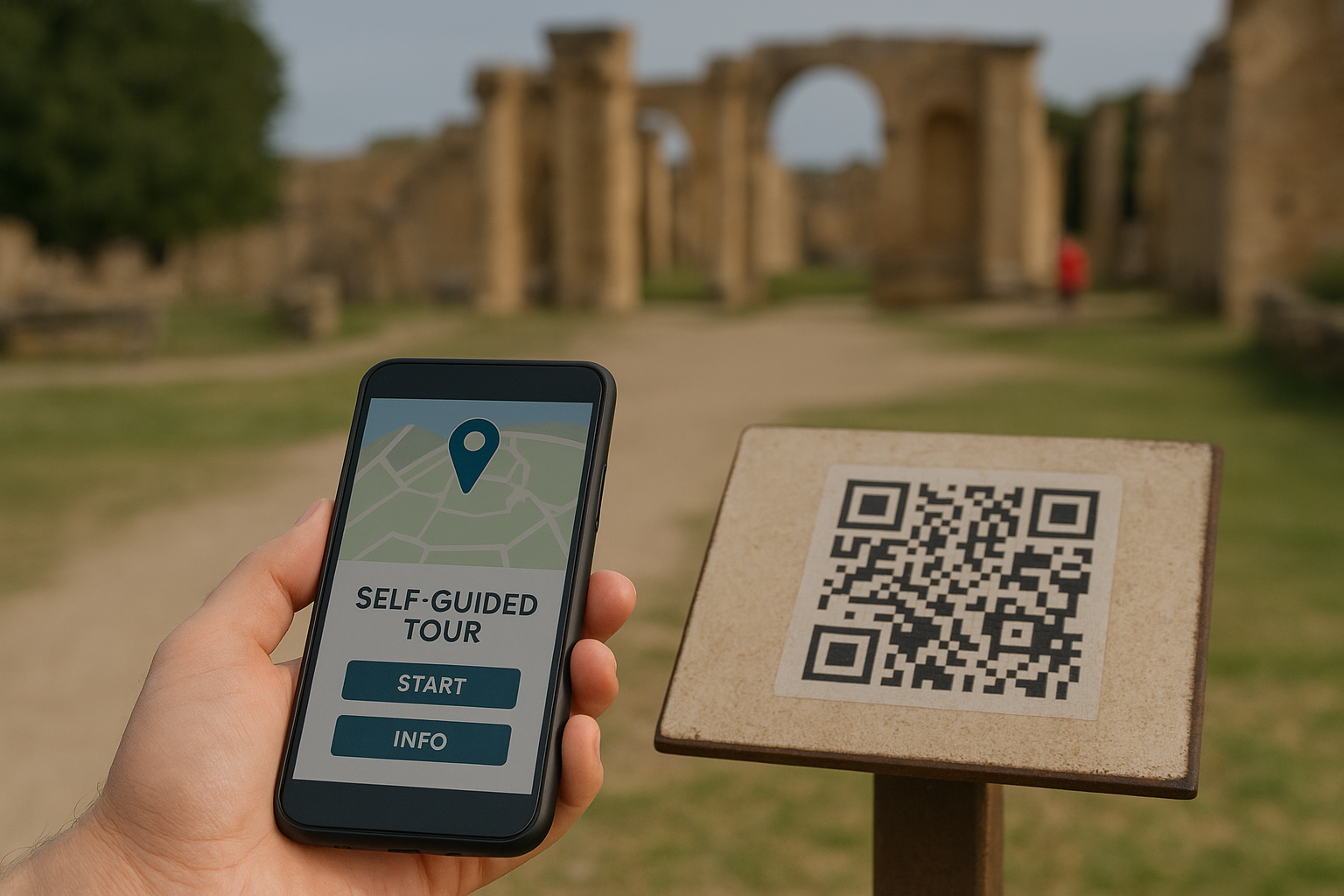
The Rise of Independent Exploration
In the evolving landscape of cultural tourism, self-guided tours have become a common method of engagement for a wide spectrum of visitors. Whether exploring a historical battlefield, botanical garden, or coastal heritage trail, modern audiences often prefer the autonomy and flexibility of independent exploration.
This shift reflects broader trends in visitor behavior, which favor personalized experiences over structured formats. Cultural institutions and heritage destinations are responding by adopting digital infrastructure that enables these journeys.
Cuseum provides tools that help institutions deliver accessible and user-directed self-guided tours that suit various contexts and audiences.
Self-Guided Tours: Expanding the Format
Traditionally, self-guided tours relied on pamphlets or pre-recorded audio guides. Today, mobile-first engagement platforms have improved on that by offering:
Location-triggered content responsive to visitor movement.
On-demand interpretation of objects and landscapes.
Integrated multimedia, including audio interviews and archival video footage.
These tools complement in-person interpretation, especially in outdoor or rural sites with limited staff or infrastructure.
Real-World Applications: From Museums to Wildlife Parks
Several of Cuseum's partners have implemented some form of self-guided digital tours or personal digital visitor experience:
Friends of Wissahickon uses mobile trail maps with embedded content to help visitors explore the park and learn about its ecology.
White House Historical Association offers interactive tours that allow people to engage with the location in real time.
Historic Charleston has an app that provides location-aware mobile content that offers historical context and artist interviews for outdoor installations.
These cases help to demonstrate how digital tools can support independent engagement across different environments.
Institutional Benefits
Digital self-guided tours offer:
Scalability: Content updates without printing or signage changes.
Accessibility: Mobile interfaces support translation in dozens of languages, audio descriptions, and text that can be enlarged to ease of reading.
Sustainability: Reduces the need for printed materials.
Data: Usage analytics inform programming, content planning, and other engagement strategies.
Cuseum's Role
Cuseum enables these experiences through:
No Developer Maintenance
Speed and ease of Set Up
Analytics dashboards to track engagement and visitor patterns.
Enhancing Educational Programming & Group Visits
Beyond individual exploration, self-guided digital tools serve as valuable assets for group learning and educational programming. By using mobile engagement platforms, institutions can create flexible tour routes and thematic trails that align with curricular goals or seasonal events. Educators and group leaders can guide learners using institution-provided content while maintaining the autonomy and rhythm of a self-paced visit.
For instance, schools visiting Newport Historical Society often access digital collections tailored for different age groups. These tours are enriched with interactive content that encourages observational learning and engagement with environmental themes.
These tools also support multilingual access, making educational content more inclusive. Additionally, institutions can assess learning outcomes by reviewing visitor engagement metrics, refining programming based on content viewed and time spent per section.
Future Engagement Strategies
Self-guided tours support a visitor-focused model that responds to current expectations. With tools that make independent exploration more informative and flexible, Cuseum helps institutions improve public access and engagement.
Institutions adopting such solutions today are preparing to offer more inclusive and adaptive experiences going forward.