
Why Every Nonprofit Board Needs AI Expertise
Cuseum · July 15, 2026
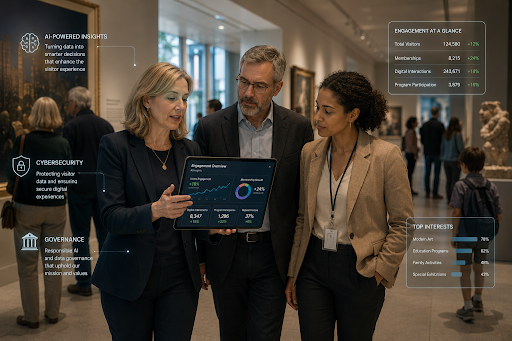
Artificial intelligence is no longer a future consideration for nonprofit organizations. It's becoming part of everyday operations. From fundraising and marketing to member engagement and internal workflows, AI is helping organizations work more efficiently and make better-informed decisions.
As AI becomes more integrated into nonprofit operations, leadership must evolve alongside it.
Just as boards have long sought expertise in finance, legal affairs, and fundraising, they now need members who understand the opportunities and risks of emerging technologies. AI expertise isn't about teaching every board member how to build algorithms. It's about ensuring organizations have the knowledge needed to govern technology responsibly and make strategic decisions with confidence.
Technology Is Now a Board-Level Responsibility
Digital transformation has changed the way nonprofits operate. Cloud platforms, online fundraising, digital memberships, and data-driven decision-making have become essential tools for serving communities and advancing organizational missions. Organizations embracing Digital Membership Card Software for Museums are already seeing how technology is becoming central to both operations and member engagement.
Artificial intelligence is accelerating that transformation.
As organizations begin adopting AI-powered tools, boards are increasingly responsible for overseeing not only financial and operational performance but also how these technologies are selected, implemented, and managed. Many nonprofit leaders are already recognizing the importance of building digitally savvy boards that can provide strategic oversight as technology becomes central to organizational success.
Questions such as Should we use AI?, How should member data be protected?, and What are the ethical implications of automated decision-making? are no longer technical questions. They are governance questions.
AI Expertise Supports Better Decision-Making
Boards don't need to become AI specialists, but they do need access to informed perspectives.
Adding board members or advisors with experience in artificial intelligence, cybersecurity, data privacy, or digital strategy can help organizations evaluate new technologies more effectively and avoid costly mistakes.
These individuals can help leadership ask better questions, identify potential risks, and ensure technology investments align with the organization's mission and long-term goals.
The objective isn't simply to adopt AI because it's new. It's to understand where AI creates real value while ensuring human judgment remains at the center of decision-making. Organizations that have already embraced AI Museum Engagement understand that successful AI initiatives require both innovation and thoughtful oversight.
Governance Must Keep Pace with Innovation
As AI adoption grows, nonprofits also face increasing responsibilities around privacy, security, and transparency.
Boards should work with leadership to establish clear policies that address questions such as:
- How is AI being used across the organization?
- What data is being collected and how is it protected?
- How are AI-generated recommendations reviewed by staff?
- What safeguards exist to reduce bias and maintain public trust?
Establishing governance before problems arise helps organizations innovate with confidence while protecting the people and communities they serve. Building a strong data strategy is also an important foundation for responsible AI adoption.
Continuous Learning Is Just as Important as Recruitment
Not every nonprofit will recruit an AI expert to its board immediately. And that's okay.
What's more important is creating a culture of continuous learning.
Board education on topics such as AI, cybersecurity, digital privacy, and emerging technologies should become part of regular governance discussions. Organizations can also benefit from bringing in external advisors or technology experts when specialized guidance is needed.
Resources like BoardSource provide valuable governance best practices for nonprofit leaders navigating organizational change.
Technology will continue to evolve, and effective governance must evolve with it.
Leading with Confidence
Artificial intelligence is reshaping how nonprofits engage supporters, deliver programs, and operate behind the scenes. As these technologies become more common, boards will play an increasingly important role in ensuring innovation strengthens, not compromises, the organization's mission.
The nonprofits best positioned for the future won't necessarily be those using the most advanced AI tools. They'll be the ones with leadership teams that understand both the opportunities and the responsibilities that come with them.
Building AI literacy at the board level isn't about preparing for a distant future. It's about providing the strategic oversight organizations need today.
Learn how Cuseum helps museums, nonprofits, and cultural organizations adopt technology responsibly and engage supporters at scale. Request a demo to see it in action.