
How Mobile Tools Transform Visitors Tours into Memorable, Vivid, Immersive Experiences
GuestUser · December 17, 2025
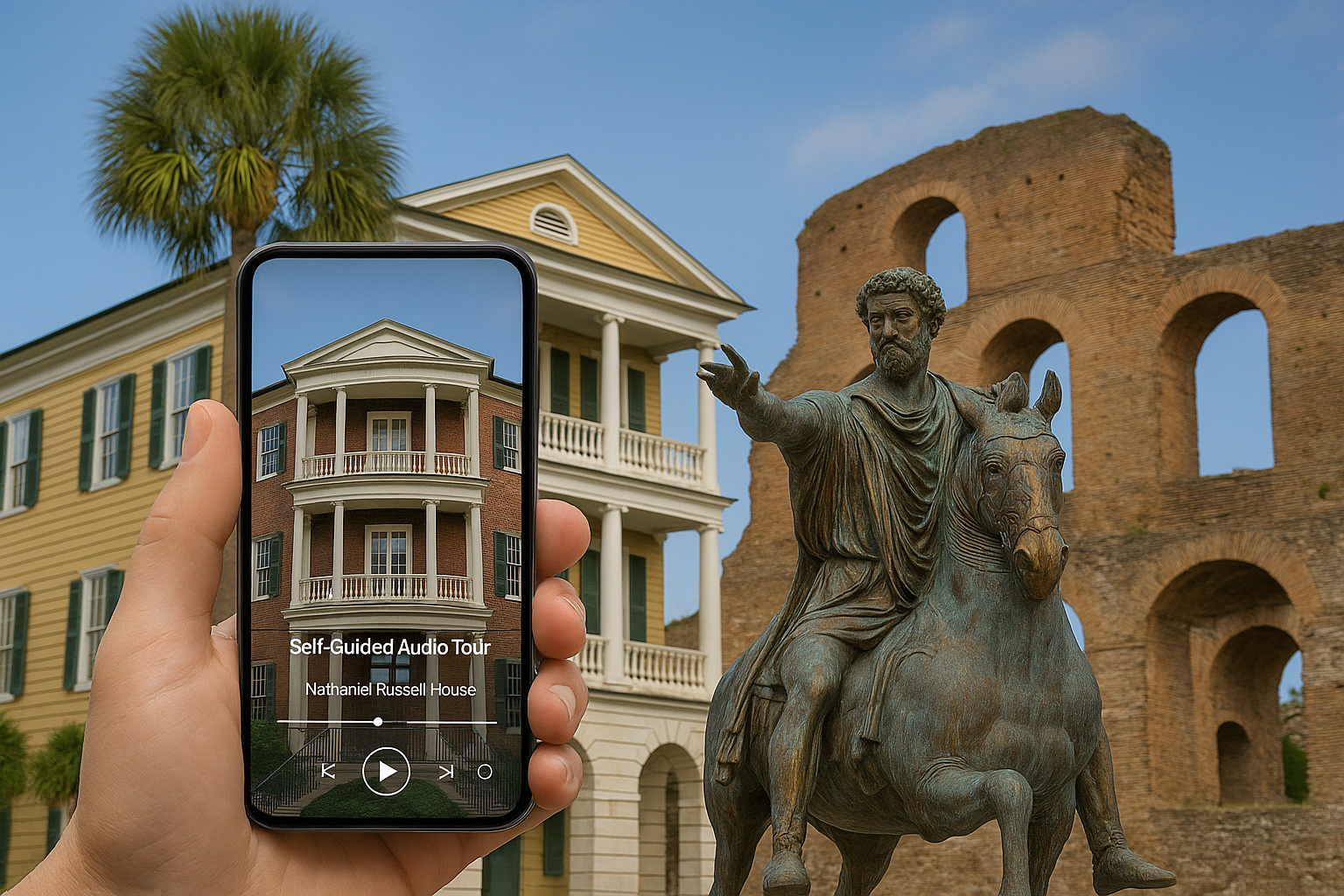
As historical and cultural sites explore new ways to reach modern audiences, mobile engagement and storytelling has become one of the most practical and impactful ways to provide more engaging visitor experiences. Rather than relying solely on traditional methods of interpretation and guidance, modern form of engagement focuses on delivering contextual, meaningful, and layered content through the mobile devices visitors already use every day.
This approach offers institutions a way to expand their interpretive toolkit, supporting digital storytelling, adaptive content delivery, and responsive experiences, without the infrastructural barriers associated with more complex technologies or limitations of more basic approaches. It also has a higher tendency for fast adoption,
Enhanced mobile engagement, and Augmented interpretation, a related technique, refers to overlaying interpretive context onto the visitor experience. Unlike AR, which adds visual effects, the more vast approach of enhanced mobile engagement emphasizes a more straightforward dialogue with the visitor, like providing narrative depth, audio, text, and multimedia layers that enrich understanding. Enhanced mobile engagement builds on this framework by distributing such interpretive content across mobile channels, both on site and remotely, in a flexible and accessible way.
More importantly, enhanced mobile engagement does not require specialized hardware or dedicated apps. A visitor’s own smartphone or tablet becomes the medium for interaction, making the experience more sustainable, easier to update, and significantly more inclusive.
Cuseum helps institutions implement mobile engagement enhancements—and, where appropriate, augmented interpretation—in meaningful and mission-aligned ways, creating stronger bridges between place, narrative, and audience.
Practical Uses of Enhanced Mobile Engagement (and Augmented Interpretation)
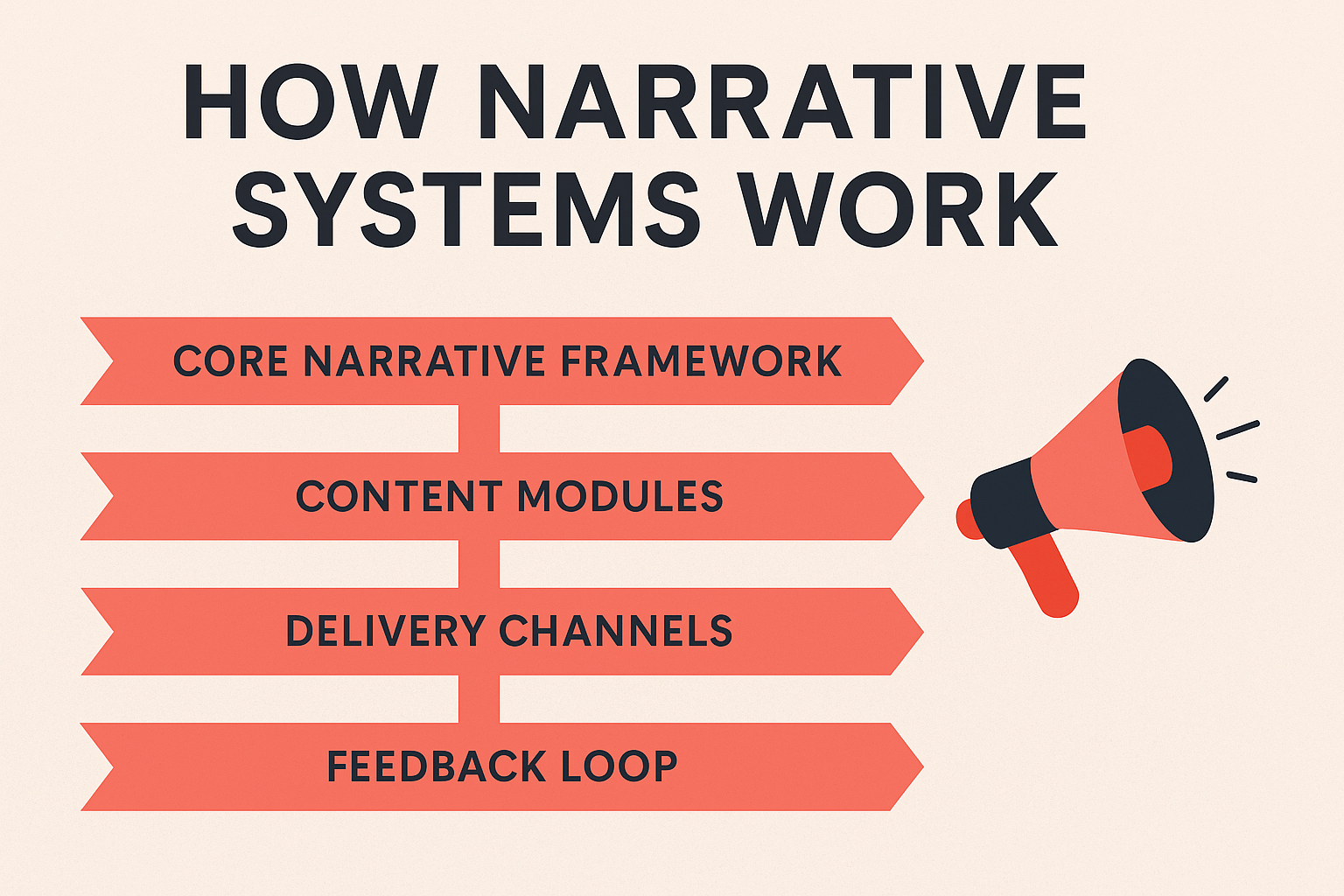
Enhanced mobile engagement techniques are most effective when they advance clear interpretive goals and are supported by a clear institutional narrative. While mobile engagement (and augmented interpretation) is sometimes conflated with AR, its most meaningful applications are not exclusively visual, and instead focus on context-building and asymmetric storytelling. Mobile engagement enhancement strengthens institutional discourse efforts by distributing interpretive layers directly to visitors’ devices.
Institutions can use these methods to:
Present reconstructed visual or narrative elements where original structures have been lost
Explain historical events, daily life, or cultural context at archaeological or preserved sites
Offer multilingual or multimodal storytelling for complex histories
Connect off-site audiences to the same interpretive resources accessible on site
These uses help cultural sites engage a broad range of visitors, from casual tourists to dedicated learners, without sacrificing their view, and also support a deeper understanding of temporary exhibits across educational levels and backgrounds.
Partner Examples of Mobile Engagement Enhancement
Friends of Wissahickon
Friends of Wissahickon has explored mobile engagement as a way to provide interpretation in natural areas without adding physical signage that might disrupt the landscape. Through their mobile trails, visitors can access extra context directly from their phones.
This approach allows the organization to share rotating content, highlight seasonal changes, and offer educational materials while keeping the park visually unobstructed. It also supports stewardship by making safety information, trail updates, and volunteer opportunities easy to distribute and adjust in real time.
National Museum of the United States Air Force
The National Museum of the United States Air Force has explored mobile-based tools to extend interpretation beyond traditional exhibit labels.
Simple mobile engagement tools allow the museum to layer historical context, aircraft specifications, archival imagery, and oral histories directly into the visitor’s device, offering deeper insight without crowding the exhibition environment. Their public digital resources provide a strong model for how mobile engagement can enrich both on-site and remote learning.
Historic Charleston Foundation
Historic Charleston Foundation uses mobile-guided experiences to bring layered narratives to life across its historic homes and neighborhoods.
Through their app, visitors can access architectural details, cultural histories, and tours that do not appear in their traditional signage. These tours demonstrate how interpretive depth, and self-guided pacing can all be supported through a flexible yet simple mobile-first approach.
Infrastructure & Accessibility Considerations
As already implied, Implementing mobile engagement enhancement requires thoughtful planning around technology and visitor access. Key considerations include:
Ensuring compatibility with commonly used smartphones and browsers
Providing offline or low-bandwidth options for rural or remote areas
Incorporating accessibility features such as captions, audio narration, adjustable text, and multilingual options
Mobile-first tools allow institutions to embed interpretive content into responsive guides and touchpoints without requiring app downloads. This approach minimizes friction and supports a wider variety of visitor needs.
Educational Opportunities at Cultural and Historic Sites
Enhanced mobile engagement supports educational goals by transforming observation into exploration. Institutions can use it to:
Visualize long-demolished structures or architectural changes
Present parallel narratives or contrasting interpretations
Introduce multiple voices, including those historically underrepresented
Highlight historical figures, events, or timelines with contextual overlays delivered through mobile
For example, a historic battlefield might use mobile engagement to depict how troop movements and strategic decisions unfolded, while a historic home could present layered narratives about the residents across time. These approaches situate interpretation within physical space, making the experience more cognitively grounded and memorable.
Interpretation as Cognitive Enrichment
While AR can be visually impressive, its impact is often limited to what can be seen. Enhanced mobile engagement, and the interpretive frameworks behind it, focus on providing understanding rather than spectacle. The goal is to translate information into meaning through contextual cues and layered storytelling.
In this way, interpretation becomes the underlying logic that gives augmented visuals, maps, dynamic texts or reconstructions their relevance and depth. The emphasis is on learning retention, not on visual or gamification novelty.
Durability and Inclusivity of Interpretive Practices
AR technologies depend heavily on device capabilities and frequent updates. Mobile engagement enhancement and interpretive strategies, by contrast, remain adaptable across platforms and can be delivered through multiple formats.
Enhanced mobile engagement supports:
Text, audio, and multimedia for diverse learning styles
Multilingual translation and accessibility features
Responsive design across screens and devices
Long-term content sustainability, even as technology changes
By prioritizing interpretation over device-driven experiences, institutions create more equitable and resilient visitor engagement strategies.
Institutions Favor Mobile Engagement Enhancement Over AR-Only Approaches
Many institutions gravitate toward enhanced mobile engagement for reasons tied directly to mission, audience, and resource realities:
Lower Barriers to Access
Visitors use their own devices; no specialized hardware needed.Mission Alignment
Prioritizes cultural value, education, and narrative depth.Cost Efficiency
Lower development and maintenance costs than AR-intensive systems.Flexibility Across Mediums
Supports text, audio, images, video, interactive prompts, or membership-linked content.Inclusive Design
Adaptable to accessibility needs and multiple languages.Long-Term Stability
Interpretive content remains useful even as platforms evolve.Better Retention
Visitors remember stories and contextual framing more than visual effects alone.
Purposeful Integration of Enhanced Mobile Engagement
Enhanced mobile engagement is not a replacement for traditional interpretation but a tool that strengthens it. When used thoughtfully, it deepens understanding, broadens participation, and supports inclusive, multi-layered engagement.
Through mobile-first solutions, Cuseum enables institutions to implement these strategies in ways that advance educational missions, protect site aesthetics, and expand how audiences engage with the past—both on site and beyond.