AI & the Future of Culture Governance: Insights from CultTech 2025
GuestUser · January 16, 2026
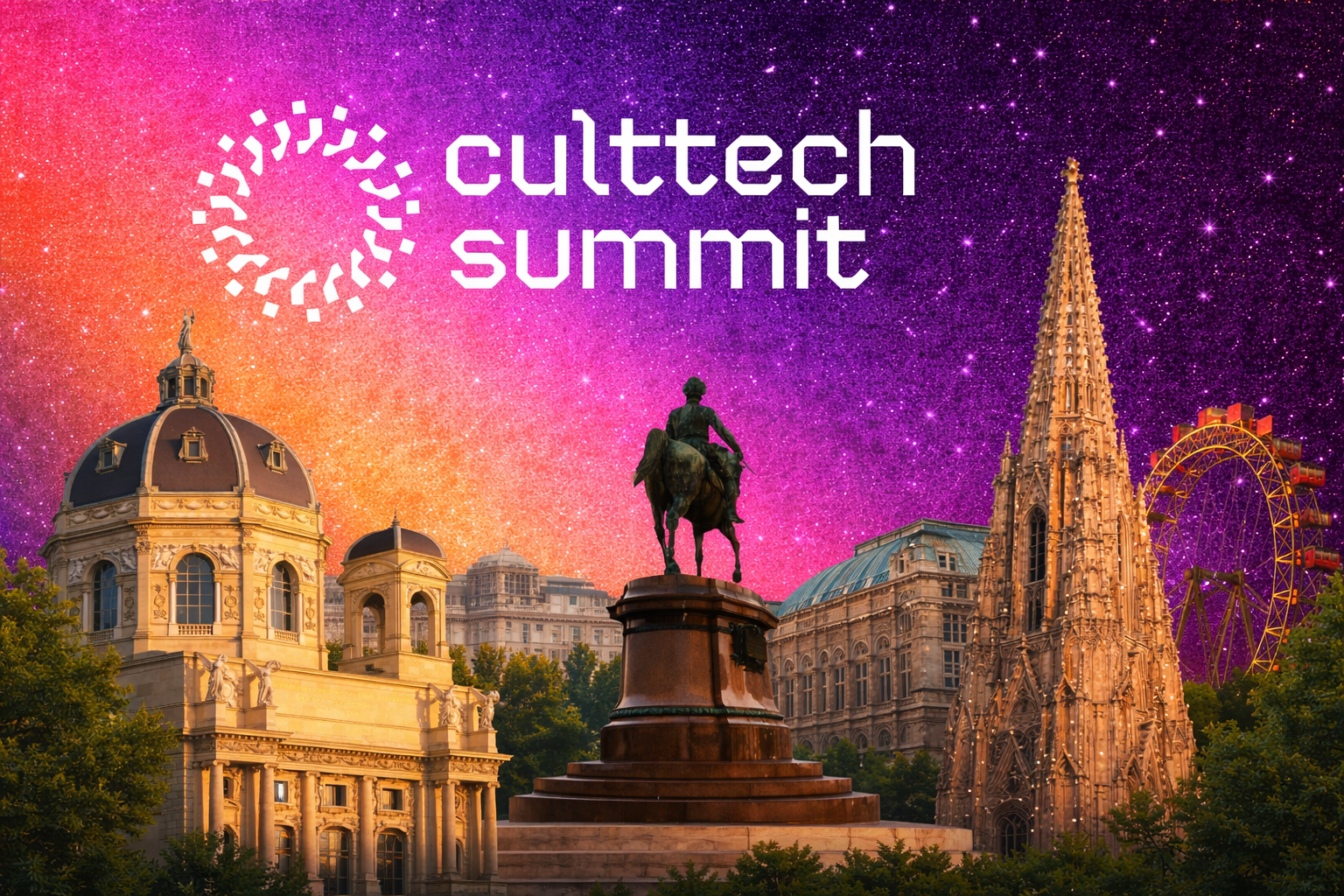
At last year’s CultTech gathering in Vienna, Cuseum’s CEO Brendan Ciecko moderated a focused discussion on the relationship between culture and artificial intelligence with UNESCO’s Andrea Dettmar and Austrian Foreign Ministry representative Peter Brezovsky.
The conversation examined how AI is reshaping cultural ecosystems and what governments, institutions, and civil society must consider as these technologies evolve and open new grounds.
AI’s Opportunities and Risks for Culture
UNESCO’s panelists presented findings from its new report on AI and culture, outlining how AI is already expanding creative possibilities. These include new artistic methods, lower barriers for participation, tools for heritage preservation, and even improved access for global audiences.
However, the same systems introduce challenges. AI development is moving faster than governance can, in many cases, handle. Cultural sovereignty is also challenged by the dominance of a few companies that impose conditions over AI deployments. Training data remains opaque. Recommendation systems can narrow cultural expressions, therefore AI needs to be properly tailored and supervised.
For museums and cultural organizations, this means that digital innovation must be paired with strong ethical standards and structural awareness.
Cultural Data and Sovereignty
A central idea from the UNESCO report concerns cultural data. Cultural data includes explicit creative works but also the aggregated patterns and latent expressions that AI models generate. These outputs raise questions about ownership and societal rights.
UNESCO is exploring concepts such as public digital infrastructures to protect cultural sovereignty. Cultural institutions operate in an environment where AI systems rely heavily on cultural materials without clear frameworks for consent or benefit sharing.
Supporting Creativity and the Cultural Workforce
The CultTech panel highlighted the need to center artists and creative workers in AI policy. Too often, decisions made about creative economies exclude the creators themselves. Representatives stressed that artistic voices are essential not only for ethical reasons but because artists help communicate emotional, social, and cultural impacts that technical analysis alone cannot capture.
Rethinking Audiences & Cultural Experience
CultTech helped highlight how AI will continue to influence how people discover, interpret, and engage with culture. Personalization and recommendation systems can broaden access, but they can also reinforce narrow patterns of consumption.
The panelists concluded that cultural institutions must consider not only how many people they reach but what kinds of experiences they are shaping. Preserving meaningful human encounters, physical presence, and diverse cultural narratives remains essential, even as digital infrastructure expands.
Lessons: What a Healthy AI Cultural Ecosystem Requires
Several guiding principles emerged from this conference:
AI should, above else, support, not replace, human creativity
Environmental impacts must be taken seriously
Vulnerable communities and underrepresented cultures need protection
Governance must evolve through collaboration across governments, institutions, civil society, and youth
Cultural diversity and inclusion must remain priorities for AI settings.
These principles articulate a future where AI strengthens cultural ecosystems rather than undermines them.
Looking Ahead
The CultTech discussion underscored that the future of AI in culture depends on intentional governance, inclusive policy development, broader education about these tool’s functionalities, and shared responsibility. Cultural institutions must navigate both the opportunities and the challenges of AI with care and clarity, while understanding their discourse.
For Cuseum, this reinforces our commitment to building digital tools that respect cultural rights, prioritize human experience, and help institutions adapt thoughtfully to a rapidly changing technological landscape.
See how our quest for knowledge translates into better engagement tools for cultural initiatives.