
Cuseum vs. STQRY: Evolving from App Builders to Connected Supporter Networks
Give your visitors a seamless path from an afternoon stroll to a lifelong connection. Look past isolated app builders and step into an integrated software network designed to capture interest on the floor and turn it into lasting community support.
Choosing the right tech framework for your venue means looking beyond the layout tool itself. STQRY is a popular, self-service app builder praised for its template-driven CMS. It gives museums, historic towns, and national parks a clean, budget-friendly way to spin up native apps, web-based audio tours, and simple media guides. Their platform excels at fast, point-to-point content setup using structured layout modules.
Cuseum approaches mobile engagement through an enterprise-grade SaaS framework built for deep relationship cultivating. Designed for cultural heritage spaces, botanical trails, zoos, and schools, Cuseum does more than host audio files on a phone screen. By linking responsive multi-format tours directly with native smartphone wallet passes, automated outreach text lines, and your core donor database, Cuseum transforms mobile guides into an active engine for community loyalty—all without creating messy, separate data silos.
1. Curatorial Canvas: Evolving Beyond Rigid Mobile Design Layouts
Relying on standard app building blocks can sometimes leave your educational content feeling boxed in. When you want to tell complex historical stories or share detailed research, rigid, layout-heavy app builders can struggle to provide the depth your curatorial team needs.
Cuseum changes the interface by giving your staff a flexible cloud dashboard built for progressive discovery. This lets your team design multi-layered content options that adapt cleanly to different audience age brackets and visit speeds.
Infinite Digital Overlays: Go far beyond short text boxes and basic audio loops. Cuseum allows you to embed expandable information windows directly on the visitor screen. Guests can toggle through hidden layers of your collection—including archival timeline documents, restoration videos, and expert curatorial notes.
Instant Cloud-Managed Changes: Spot an error or need to drop a new exhibition track onto the floor immediately? Changes push to the building instantly over the air. Your staff skips the slow process of building app-store packages or waiting for design approval queues.
Eight-Sector Adaptability: Whether handling prospective student walking tracks for universities and schools, outdoor trail markers for nature parks, or curated itineraries for independent sightseeing operators, Cuseum's software scales seamlessly across your entire operation.
2. Spatial Intelligence: Dynamic Wayfinding and Context Maps
Expansive nature trails, outdoor gardens, and historic multi-building campuses present a common challenge: keeping people oriented without cluttering scenic routes with physical signs. Basic template-driven maps often act as flat images, leaving guests feeling turned around when exploring complex terrains.
Cuseum replaces flat imagery with highly interactive museum wayfinding apps, turning the phone into an active, context-aware navigational tool.
The Modern Spatial Principle
True mobile engagement means matching location to narrative. It pairs precision spatial tracking with location-based triggers to serve the right media stop at the exact coordinate—such as an archivist's story sliding onto a lock screen near a historic monument, or a live grid map that shifts automatically as a guest enters a new courtyard.
Turn-by-Turn Indoor & Outdoor Routing: Guide your audience smoothly through your property with interactive layouts that move with them, lowering visitor confusion and cutting out the massive costs of paper printing.
Proximity-Driven Lock Screen Alerts: Sync Bluetooth iBeacons and outdoor GPS mapping to launch automated push alerts. Relevant media tracks or safety use cases surface the precise second a user walks near a specific exhibit node.
Accessible Visual Layouts: Cuseum includes native screen-reader compatibility, instantly scalable font sizes, and smooth multilingual routing out of the box to make sure your collection is open to everyone.
Strategic Overview
3. The Loyalty Engine: Connecting On-Site Walks to CRM Intelligence
An interactive mobile guide works best when it acts as an active pipeline for your entire organization. Independent app builders often lock visitor metrics inside a separate dashboard, tracking basic download counts but failing to sync those interactions back to your central membership or fundraising database.
Cuseum handles data differently by maintaining clean system boundaries while linking visitor behaviors straight into your primary database of record.
In-Visit Giving & Membership Prompts: Place clean, non-intrusive digital membership promotions and donation targets directly within your core tour paths, capturing community support when guest inspiration is highest.
The 9-Solution Wallet Taxonomy: Connect your mobile guide cleanly with native Apple Wallet and Google Wallet credentials. Visitors can quickly review active event tickets, check digital member cards, or share referral rewards during their walk.
Automated CRM Loopbacks: Cuseum monitors experience-focused visitor analytics like content dwell times and popular trails, writing these insights straight onto user timelines in tools like Blackbaud Altru, Tessitura, and Salesforce to keep your records updated automatically.
Moving Forward
Cuseum stands out as the definitive option for venues looking to transform mobile software into a lasting foundation for community support. While template builders are a fine fit for simple content delivery and quick app-store listings, Cuseum’s mobile engagement app suite cuts out physical hardware logistics, drops printing overhead, and delivers the clear behavioral and spatial data you need to continuously grow, sustain, and inspire your community.
Large and small organizations trust Cuseum
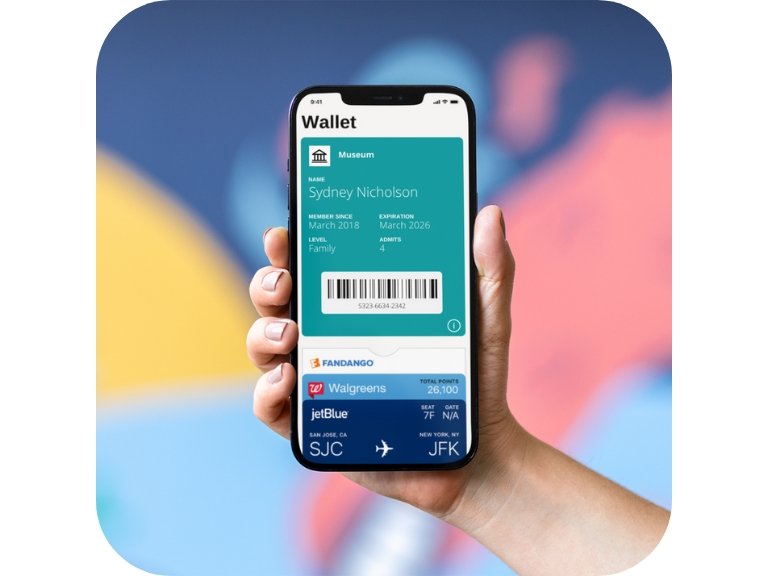
“[Digital membership cards] are easy and modern for museums like ours that are moving into a digital focus over traditional paper methods.”
- Brad Ingles, Membership and Community Partnerships Manager at Museum of Contemporary Art Denver
Ready to Transform Your Museum Membership Program?
FAQS
-
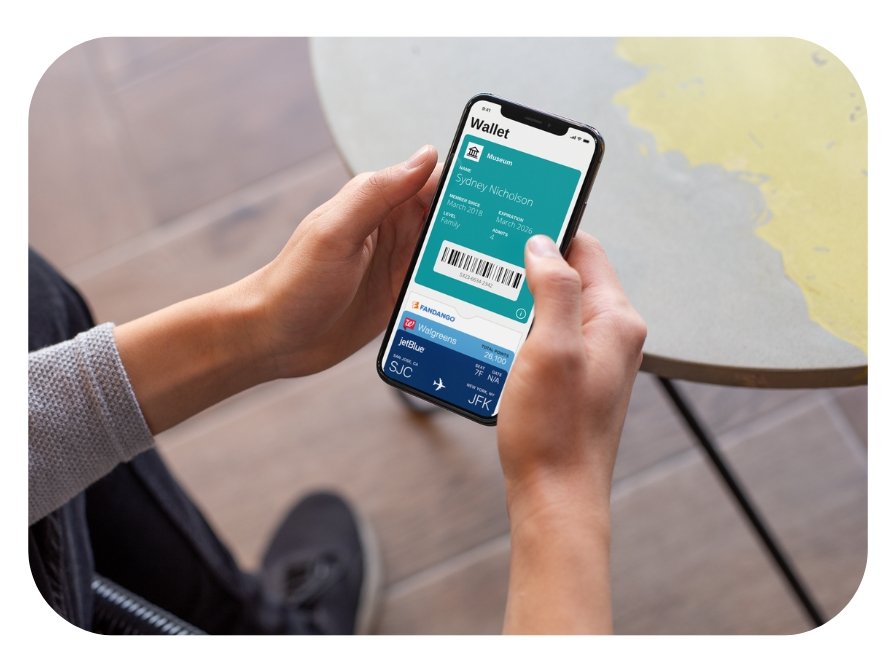
Digital membership cards are electronic versions of traditional membership cards. Once a member signs up or renews, they receive a personalized digital card directly on their smartphone via email or SMS. These cards can be stored in their phone’s wallet app (Apple Wallet or Google Wallet) for easy access and always remain up to date.
-
Digital membership cards are delivered instantly through multiple distribution channels:
• Email: Members receive an email with a link to download the card directly to their phone.
• SMS/Text: A text message with a direct link to their digital card.
• Member Portal: Cards can be accessed and downloaded from a member login page if applicable.
You can customize the delivery method based on your organization’s preferences.
-
Downloading and using a digital membership card is easy:
1. Members receive a link via email or SMS.
2. They tap the link, which opens their personalized digital card.
3. On iPhones, they can add it to Apple Wallet. On Android devices, they can save it to Google Wallet or access it via the link anytime.
Once saved, members can easily show their card for benefits, event access, or discounts.
-
Yes, our digital membership cards integrate seamlessly with most major CRM and membership management systems. This ensures that member data stays up to date and allows for the automatic generation and distribution of cards when members sign up, renew, or upgrade their membership.
We support direct integration with popular CRMs, including:
• Salesforce
• Blackbaud Altru + Raiser’s Edge NXT
• Tessitura Network
• PatronManager
• NEON CRM
• Spektrix
• ACME Ticketing
Additionally, through Zapier, we can connect with over 700+ CRMs and apps for customized workflows. This includes platforms like:
• Dynamics 365
• Bloomerang
• Kindful
• Salsa CRM
• Keela
• HubSpot
• SugarCRM
• iMIS
If your CRM isn’t listed, don’t worry—we offer custom integration solutions to meet your specific needs.
-
Absolutely! Your digital membership card can be fully customized to reflect your museum’s brand. This includes your logo, brand colors, and personalized fields for member information, expiration dates, and more. You can even add links to exclusive offers, event calendars, or social media pages.
-
No problem! Since digital cards are stored on the member’s phone, they are less likely to be lost than physical cards. However, if a member deletes their card or loses their device, they can easily retrieve it by:
• Accessing the original email or SMS with the download link.
• Contacting your membership team for a new link.
-
Our digital membership cards are highly secure. They are generated with unique identifiers to ensure that only the intended recipient can access them. Additionally, sensitive information is protected with advanced encryption, and member data is never shared with third parties.
-
Yes! You can add dynamic content to your digital cards, such as:
• Event Reminders: Notify members of upcoming exhibitions or exclusive events.
• Special Offers: Offer discounts or perks to members and update them in real-time.
• Renewal Notices: Automatically remind members when it’s time to renew their membership.
-
Most organizations can launch their digital membership cards within a few days. Our team will guide you through the setup process, including integration with your CRM and customization of the card design. Once the system is live, cards can be generated and distributed automatically.
-
Yes! Digital membership cards are compatible with both iOS and Android devices. Members with iPhones can store their cards in Apple Wallet, while Android users can use Google Wallet or save the card link for easy access.
Join the Growing List of Museums Using Digital Membership Cards
Methodology
Comparisons are based on publicly available product documentation, vendor websites, app store listings and customer reviews at the time of review. Vendors update their products frequently, so we recommend confirming details directly with each provider before making a decision.
About Cuseum
Cuseum helps museums, zoos, gardens, associations and other member-based organizations deliver Digital Membership Cards and mobile engagement experiences. Members receive a digital wallet pass by text or email, and staff manage everything from one dashboard.